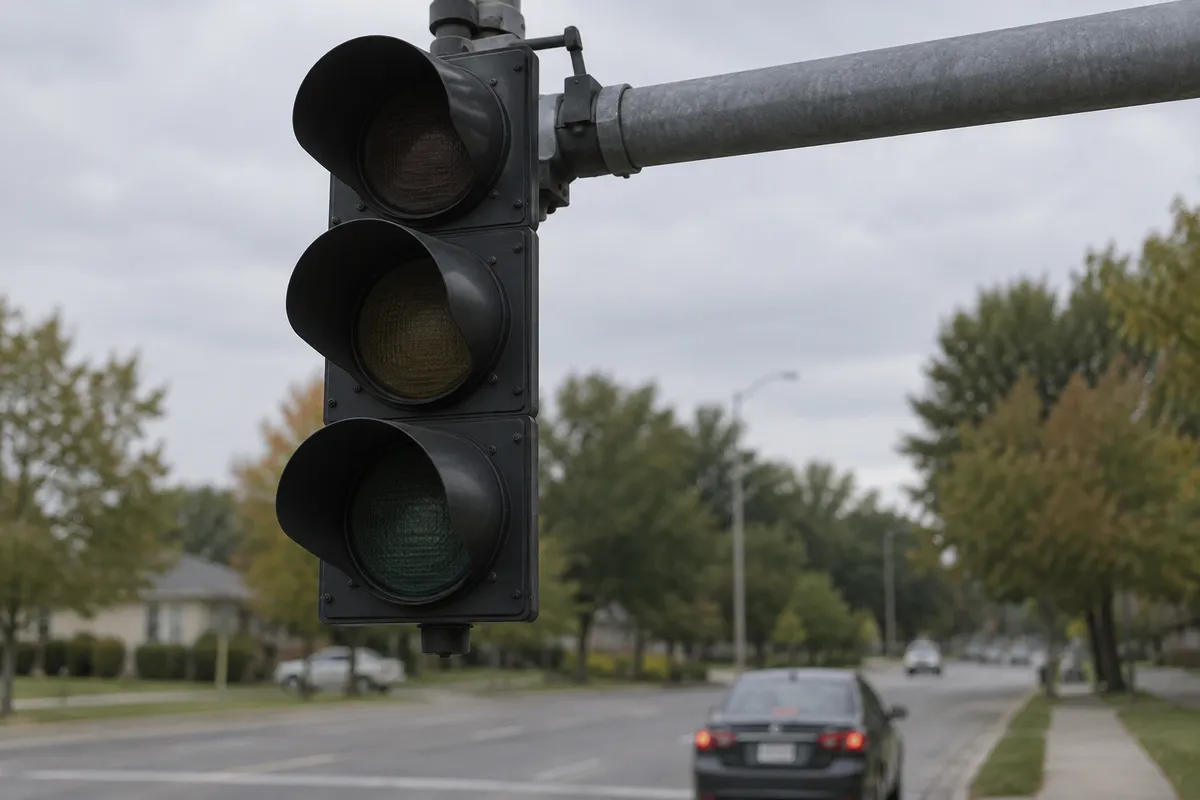
When a traffic light fails and a crash follows, fault may fall on another driver, a government agency, or a contractor. Learn how liability works in NC.
You pull up to a busy intersection and the traffic light is dark. Or it flashes. Or it shows green in two directions at once. Seconds later, another vehicle slams into yours. Now you are hurt, your car is wrecked, and everyone involved is pointing at someone else.
Intersection crashes caused or worsened by malfunctioning traffic signals are some of the most confusing cases in North Carolina. Fault may rest with another driver, a government agency, a signal contractor, or several parties at once. Each possibility comes with its own rules and deadlines. If you were injured in one of these crashes, speaking with an experienced car accident attorney early can protect your right to compensation before important evidence and legal options slip away.
What Does North Carolina Law Require Drivers to Do When a Traffic Light Is Out?
North Carolina law generally requires drivers to treat a dark or nonfunctioning traffic signal like an all-way stop. Every driver must come to a complete stop, yield to vehicles that arrived first, and proceed only when it is safe. A flashing red light also means stop, while a flashing yellow light means slow down and proceed with caution.
In practice, many drivers ignore these rules. Some speed through a dark intersection assuming they have the right of way. Others never notice the signal is out at all. When a driver fails to stop and yield, that failure can be strong evidence of negligence.
What If the Signal Was Showing the Wrong Lights?
Not every malfunction leaves a light dark. Signals can display conflicting greens, get stuck on one color, or cycle with timing that gives drivers too little time to clear the intersection. These situations raise harder questions. A driver who followed a green light in good faith may not be at fault, which shifts attention to whoever was responsible for the signal itself. Sorting out what each driver saw, and what the signal actually displayed, usually requires technical records and legal tools most people never have access to. Our team at Paynter Law pursues that information on our clients' behalf and interprets what it means for the claim.
Who Is Liable for a Crash Caused by a Malfunctioning Traffic Signal?
Liability in these cases rarely points to just one party. Depending on the facts, responsibility may fall on:
- Other drivers who failed to stop, yield, or adjust to the broken signal
- Government agencies that own and maintain the signal, such as the state transportation department or a local municipality
- Private contractors hired to install, repair, or maintain signal equipment
- Equipment manufacturers if a defective component caused the failure
Why Are Claims Against Government Agencies So Complicated?
If a public entity may share the blame, your claim enters a very different legal system. Government bodies in North Carolina have certain immunities, and claims against the state often proceed in a separate forum with its own procedures, limits, and filing requirements. The agency may argue it had no notice of the malfunction or that the failure fell outside its duties. These defenses can end a claim before it starts if they are not anticipated and addressed. The rules are technical, and mistakes are difficult or impossible to undo. Paynter Law evaluates potential government claims at the outset, so these defenses and deadlines are addressed before they become obstacles.
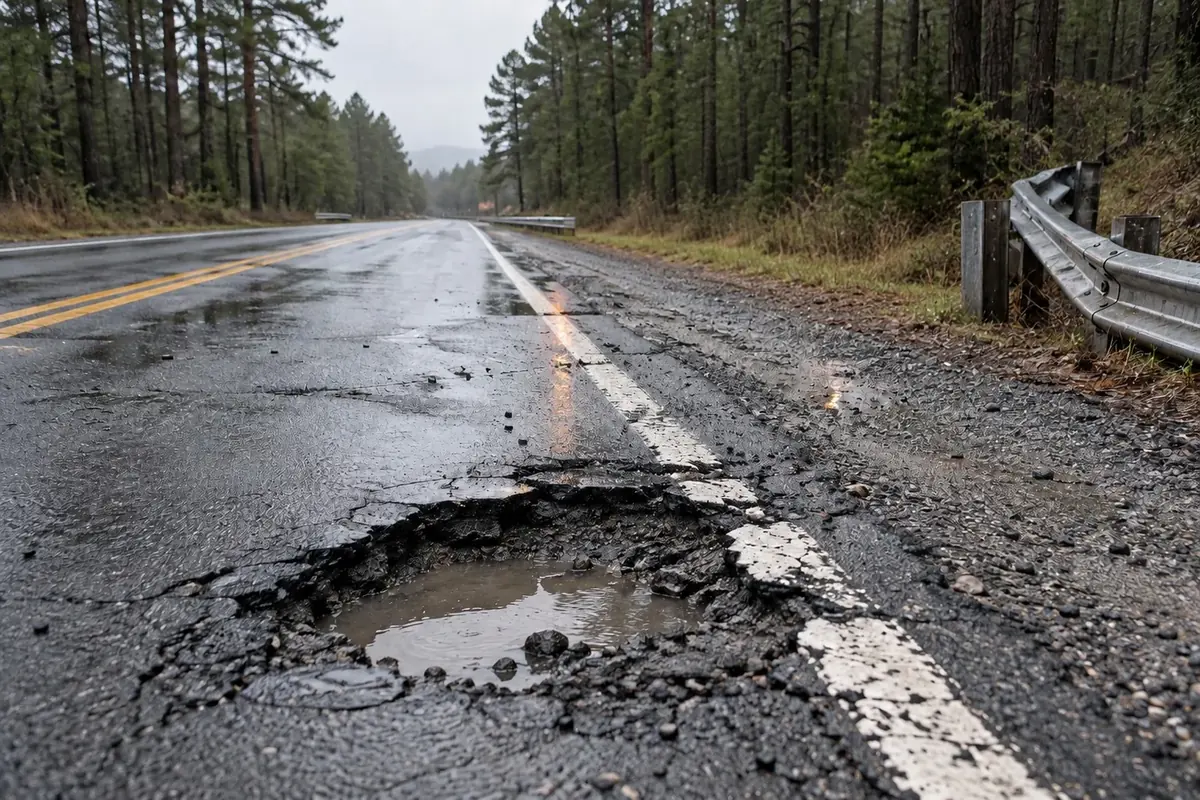
Conditions around the intersection can also play a role. Our team has written about how bad road conditions can affect liability in North Carolina crashes, and many of the same principles apply here.
How Does Contributory Negligence Affect Traffic Signal Accident Claims in North Carolina?
North Carolina is one of the few states that still follows contributory negligence. Under this rule, if you are found even 1% at fault for the crash, you may be barred from recovering any compensation at all.
Malfunctioning signal cases are fertile ground for this defense. Insurance adjusters may argue you should have noticed the light was out, stopped sooner, or approached more cautiously. A single statement you make to an adjuster, such as "I didn't realize the light was off," can be used to deny your entire claim. Before you give any recorded statement, let Paynter Law handle communication with the insurance companies for you. North Carolina law does recognize limited exceptions to contributory negligence, but applying them depends on careful legal analysis of the facts.
What Evidence Matters After an Intersection Accident Involving a Broken Signal?
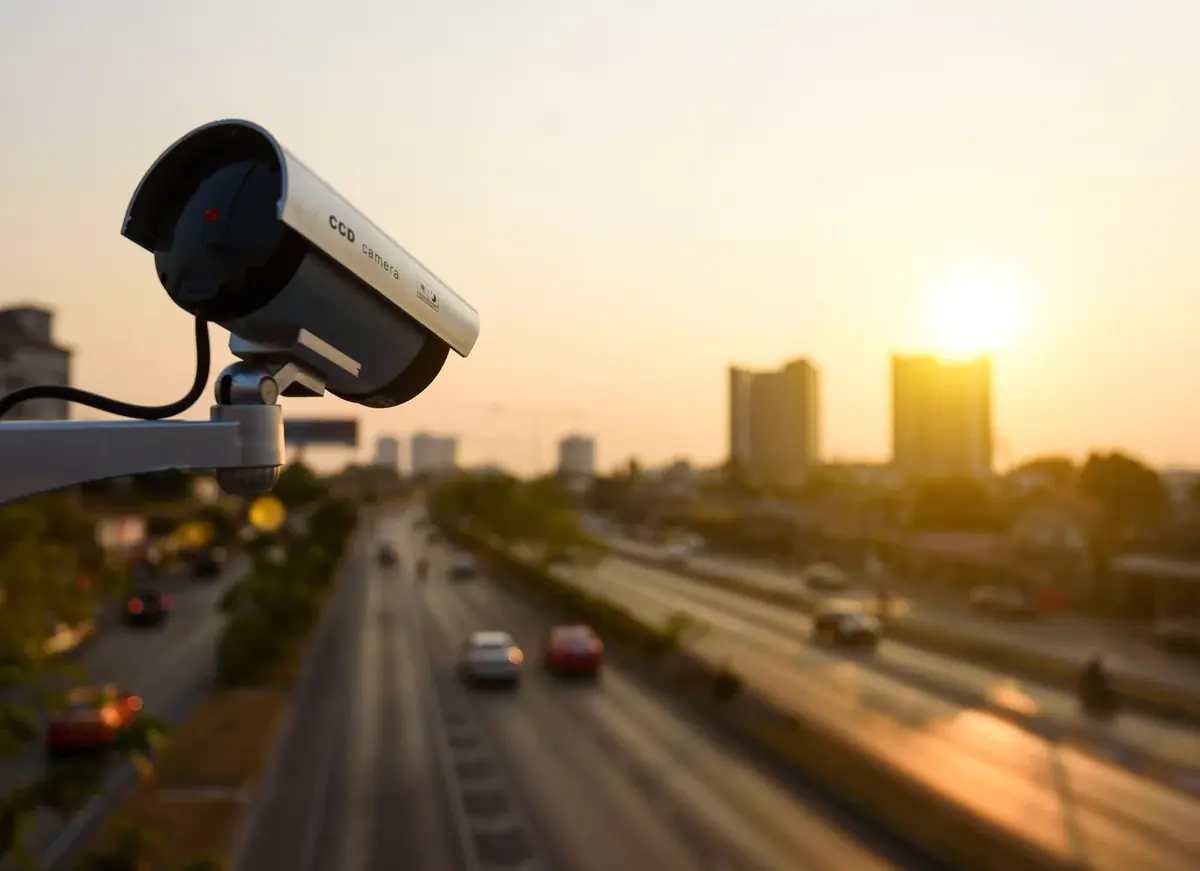
Proving what a traffic signal was doing at the moment of a crash is far harder than proving a driver ran a working red light. The answer usually lives in technical data and records controlled by government agencies or private companies, along with sources like traffic camera footage. None of these parties has any reason to hand that information over voluntarily.
Time works against you. Signals often get repaired within hours or days, and the conditions that caused your crash can disappear along with key records. When Paynter Law takes a case, our team moves immediately to secure the evidence and bring in qualified professionals to reconstruct what happened.
These crashes also tend to produce serious harm. Right-angle collisions frequently lead to traumatic brain injuries and fractures, and they put pedestrians, bicyclists, and motorcyclists at especially high risk. When a tractor trailer is involved, the injuries can be catastrophic. If you lost a loved one in a signal-related crash, your family may have a wrongful death claim, and strict filing deadlines apply. Those deadlines vary by the type of claim and the parties involved, and claims touching a government entity can require action far sooner than most people expect. Waiting even a few weeks can cost you options, which is why we encourage injury victims and families to call us as soon as possible.
How Can Paynter Law Help After a Traffic Signal Malfunction Accident in North Carolina?
A crash at a broken traffic light can involve multiple drivers, insurance companies, government agencies, and private contractors, all working to shift blame away from themselves. Add North Carolina's harsh contributory negligence rule and the special requirements for claims against public entities, and the path to fair compensation becomes very difficult to walk alone.
At Paynter Law, you work with an entire legal team, not just one attorney. We have achieved over $500 million in verdicts and settlements and have helped thousands of people across North Carolina recover after serious injuries. We move quickly to preserve evidence, identify every responsible party, and build your case while you focus on healing. We handle cases on a contingency fee basis, which means you pay no costs or attorney fees unless we win your case.
Don't let the clock or an insurance adjuster decide your future. Contact our firm or call (919) 245-3116 to schedule a free consultation with our team today.