A crash happens in seconds. The other driver claims you ran the light. You know you didn't. Without a witness or a clear memory of every detail, how do you prove what.
A crash happens in seconds. The other driver claims you ran the light. You know you didn't. Without a witness or a clear memory of every detail, how do you prove what actually happened at that intersection?
Traffic camera footage is often the answer, and it's one of the most powerful pieces of evidence in a car accident claim. But knowing that footage exists and actually getting your hands on it before it disappears are two very different things. Understanding how this evidence works, and why it's so easy to lose, is the first step toward protecting your claim.
What Role Does Traffic Camera Footage Play In A Car Accident Claim?
Video evidence can settle disputes that would otherwise come down to one driver's word against another's. Footage from an intersection camera, a nearby business, or even a passing vehicle's dashcam can show exactly who had the right of way, how fast each vehicle was traveling, and what happened in the moments before impact.
Insurance adjusters know this too. When footage supports your version of events, it becomes much harder for an insurance company to shift blame onto you or minimize the value of your claim. In a state like North Carolina, where the rules around fault are unusually strict, that kind of objective evidence can make or break a case.
What Types Of Cameras Might Capture A North Carolina Car Accident?
Several different sources of footage may exist after a collision, and most people never think to look beyond their own dashcam, if they have one at all.
Traffic Signal And Intersection Cameras
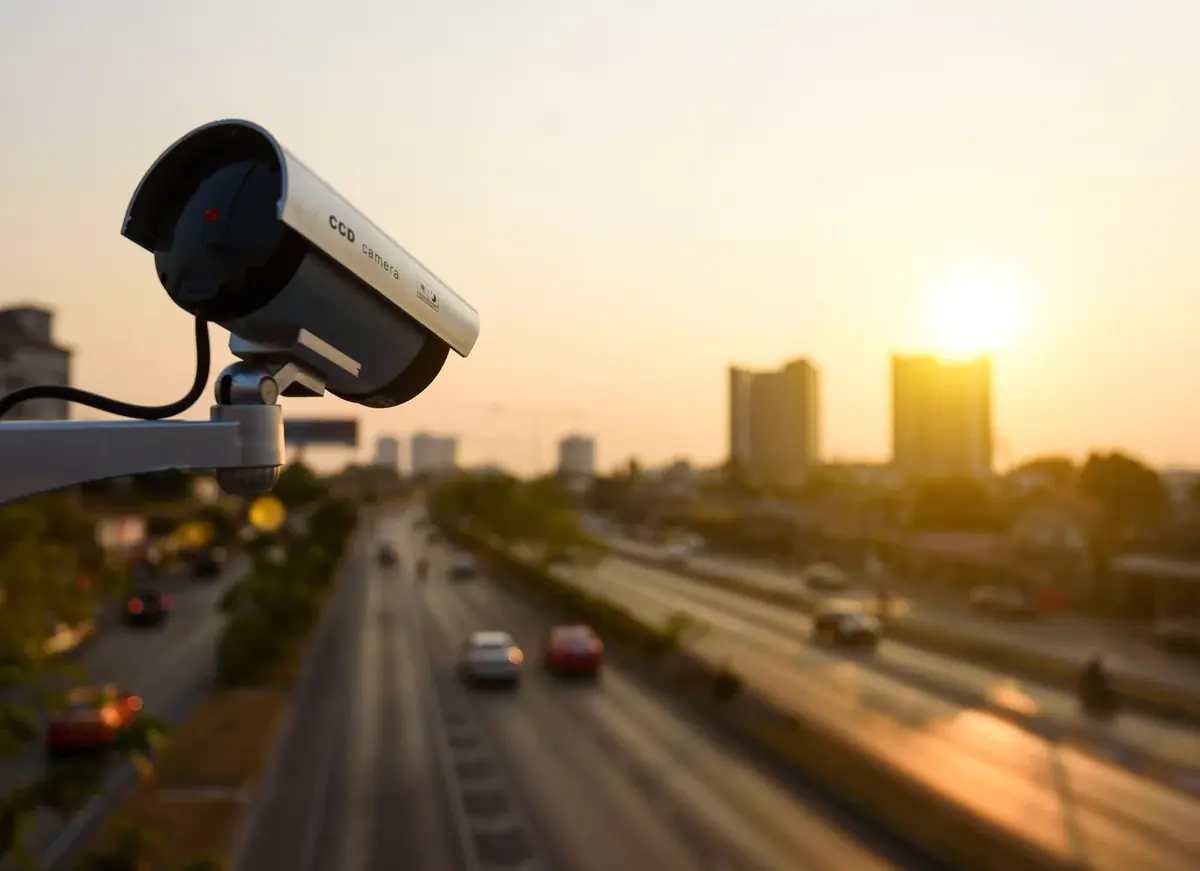
Many intersections in North Carolina are monitored by cameras used for traffic management or red light enforcement in certain municipalities. These systems don't always retain footage for long, and access to the recordings is controlled by government entities with their own procedures and timelines, not something an individual driver can simply request and receive.
Business And Residential Security Cameras
Gas stations, retail stores, restaurants, and even private homes near an accident scene often have surveillance systems that may have captured the crash. These businesses have no obligation to preserve that footage once their storage cycle overwrites it, which can happen within days.
Dashcams And Rideshare Vehicle Cameras
If another driver, a rideshare vehicle, or a delivery truck involved in the crash had a dashcam running, that footage could be some of the clearest evidence available. Locating the owner and securing a copy before it's deleted requires quick action.
Why Is Traffic Camera Footage So Difficult To Obtain And Preserve?
This is where things get complicated for someone trying to handle a claim on their own. Footage doesn't wait around. Many systems automatically overwrite older recordings within a matter of days, sometimes even hours. By the time an injured person has finished dealing with medical appointments, missed work, and insurance phone calls, the footage that could have proven their case may already be gone.
There's also the question of who has the legal right to request and preserve this evidence in the first place. Government-operated cameras typically require formal requests through the proper channel, and private businesses often won't hand over footage without the right kind of legal request putting them on notice of a potential claim. Identifying which cameras exist near the accident scene and getting the correct request in front of the right party before the footage is gone is a race against the clock that most people aren't equipped to run while also recovering from an injury.
How Does This Evidence Interact With North Carolina's Fault Rules?
North Carolina follows a contributory negligence rule, which is one of the strictest fault standards in the country. Under this rule, if you are found even slightly at fault for the accident, you may be barred from recovering any compensation at all, regardless of how serious your injuries are or how much the other driver contributed to the crash.
This makes objective evidence like video footage especially valuable. An insurance company only needs to raise a credible argument that you share some fault to potentially deny your entire claim. Clear footage showing the other driver ran a red light, failed to yield, or was following too closely can directly counter those arguments before they take hold. Without it, the case can turn into a credibility contest, one that insurance companies are well practiced at winning.
Why Should You Contact Paynter Law After A North Carolina Car Accident?
Gathering and preserving traffic camera footage is exactly the kind of task that benefits from experienced legal support. At Paynter Law, our team knows how to move quickly to identify potential camera sources near an accident scene, send preservation requests before footage is overwritten, and pursue the formal channels needed to obtain recordings from government agencies or private businesses.
We've helped thousands of people throughout North Carolina build strong, evidence-backed injury claims, and we've achieved over $500 million in verdicts and settlements along the way. When you hire Paynter Law, you're not hiring a single attorney, you're bringing on an entire legal team dedicated to tracking down every piece of evidence that supports your case, while you focus on your recovery.
We handle car accident cases on a contingency fee basis, so you owe nothing in costs or attorney fees unless we win your case, and your initial consultation is always free.
If you were injured in a North Carolina car accident and want to know what evidence might be available to support your claim, don't wait. Footage disappears fast, but our team can help you act before it's gone. Contact our firm today to schedule your free consultation.