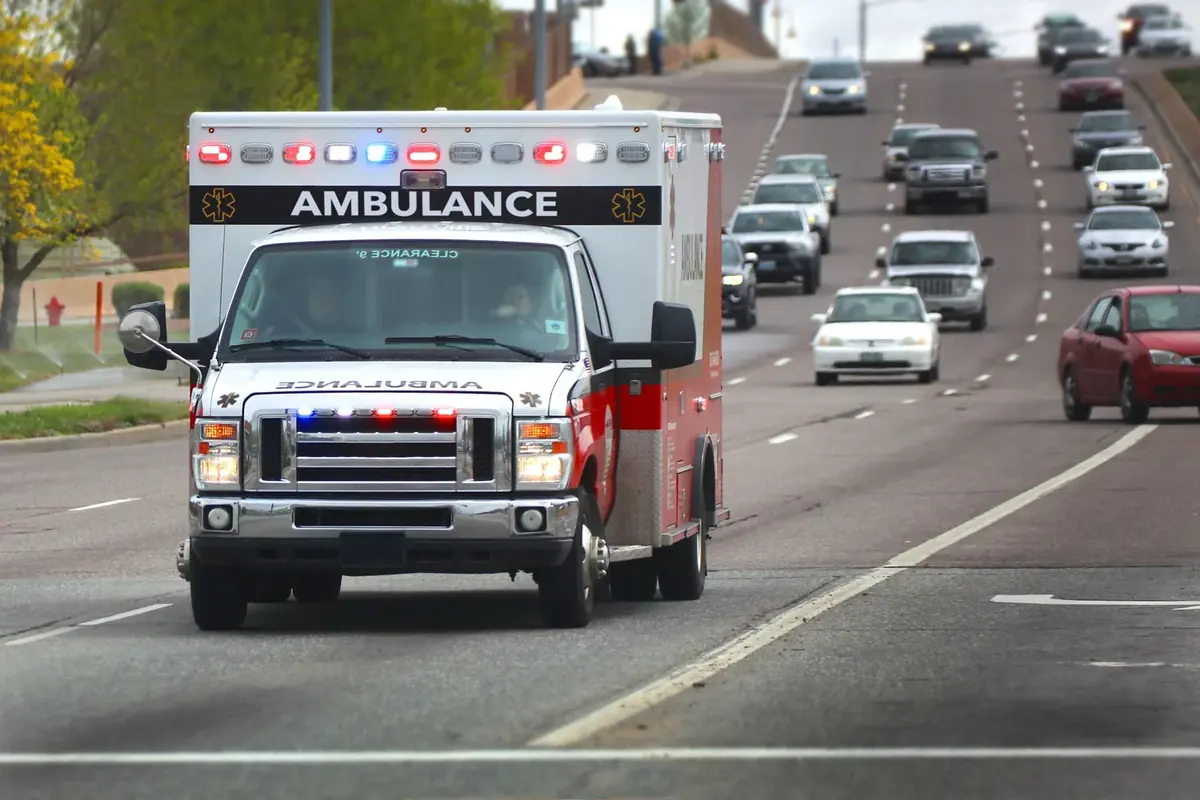
Emergency vehicles are supposed to keep us safe. But when a police car, ambulance, or fire truck collides with your vehicle, that sense of safety can disappear fast.
Emergency vehicles are supposed to keep us safe. But when a police car, ambulance, or fire truck collides with your vehicle, that sense of safety can disappear fast. These crashes raise questions that don't come up in an ordinary car accident claim, because the liable party may be a government agency, a private ambulance company, or even a hospital system, each with its own rules for how a claim has to be handled.
If you've been hit by an emergency vehicle in North Carolina, the path to compensation is rarely straightforward. Understanding what makes these cases different can help you protect yourself, but the legal rules involved are complicated enough that most injury victims benefit from professional guidance from the very beginning.
What Should You Do After Being Hit By An Emergency Vehicle?
Your first priority after any crash is safety. Call 911, move to a safe location if you're able, and get medical attention, even if your injuries seem minor at first. Adrenaline can mask pain, and some injuries don't show symptoms until hours or days later.
If it's safe to do so, try to note details that may matter later, such as the responding agency, the unit or badge number, and whether the vehicle's lights and siren were active. Get the names of any witnesses. From there, be cautious about what you say to the emergency vehicle's agency, insurer, or claims representative. These crashes often involve government entities or large institutional providers with their own legal teams, and early statements can be used against you later. Before giving a recorded statement or signing anything, it's worth having an attorney review your case so your rights stay protected from the outset.
Are Emergency Vehicles Exempt From Traffic Laws In North Carolina?
North Carolina law does give police cars, ambulances, and fire trucks certain privileges when they're responding to an emergency. They may be allowed to exceed the speed limit, proceed through red lights or stop signs, or travel against the normal flow of traffic under specific circumstances.
That said, these privileges are not unlimited. Drivers of emergency vehicles are still expected to operate with reasonable care for the safety of others on the road. When an officer, paramedic, or firefighter fails to do that, and someone gets hurt, the driver's "emergency" status doesn't automatically excuse the crash.
Figuring out whether an emergency vehicle driver acted reasonably requires a close look at the specific facts, including whether lights and sirens were properly used and whether the response truly qualified as an emergency. This is exactly the kind of analysis that benefits from a trained legal eye rather than guesswork.
Who Is Liable When A Police Car Or Fire Truck Causes A Crash?
When a police car or fire truck is involved, you're typically dealing with a municipal or county government as the responsible party, since these vehicles and their drivers are usually employed directly by a city or county agency. Claims against government entities follow a different set of rules than claims against a private driver.
In many cases, pursuing compensation means navigating governmental immunity rules, formal notice requirements, and shortened deadlines that don't apply in a typical auto accident case. Missing a procedural step, or missing a deadline, can jeopardize your right to recover anything at all, even if the emergency vehicle driver was clearly at fault. This is one of the biggest reasons these claims call for an attorney early, since the margin for error is much smaller than in a standard crash.
Does Liability Change If You're Hit By A Private Or Hospital-Affiliated Ambulance?
Not every ambulance in North Carolina is government-operated. Many communities are served by private ambulance companies or by ambulance crews employed through a hospital system, rather than a city or county EMS department. When that's the case, the legal path often looks more like a typical negligence claim against a private company, since governmental immunity generally doesn't apply to private businesses or hospital systems in the same way it applies to a government agency.
That doesn't mean these claims are simple, though. Private and hospital-affiliated providers often carry commercial insurance policies with their own coverage limits, internal reporting requirements, and legal representation ready to respond quickly. Determining who actually employed the driver, and which entity is legally responsible, isn't always obvious from the outside. Sorting out whether you're dealing with a government agency, a private contractor, or a hospital system, and what that means for your claim, is exactly the kind of determination an experienced attorney is equipped to make.
Why Do These Cases Require Immediate Legal Action?
Time matters more in these cases than in a standard personal injury claim, particularly when a government agency is involved. Government entities frequently require formal written notice of a claim within a short window, sometimes just months after the crash. If that notice isn't filed correctly and on time, you could lose your right to pursue compensation entirely, regardless of how serious your injuries are.
Evidence can also disappear quickly. Dashcam and dispatch footage may be overwritten, witnesses can become harder to locate, and agency or company records may not be preserved unless someone requests them promptly. Whether you were hit by a police cruiser, a fire truck, or an ambulance, acting quickly isn't just advisable, it can be the difference between a viable claim and no claim at all. The compensation available may include medical expenses, lost wages, property damage, and pain and suffering, but recovering it depends heavily on how well the claim is documented and preserved from the start, which is why reaching out to an attorney as soon as possible after the crash puts you in the strongest position.
How Can Paynter Law Help After A Collision With An Emergency Vehicle?
Being hit by a police car, ambulance, or fire truck puts you in a legal situation that's genuinely different from a typical crash, and it deserves a legal team that understands the added layers of government notice requirements, immunity questions, and the differences between public and private emergency providers.
At Paynter Law, we've built a reputation across North Carolina for standing up for injury victims, with over $500 million in verdicts and settlements and a team with 75+ years of combined experience. When you work with us, you're not relying on a single attorney, you're backed by an entire legal team dedicated to your case.
We offer free consultations, and we handle these cases on a contingency fee basis, so you owe no costs or attorney fees unless we win your case. If you or a loved one has been injured in a collision involving an emergency vehicle, don't wait to find out what your rights are. Contact our firm today to schedule a consultation and take the first step toward the compensation you deserve.