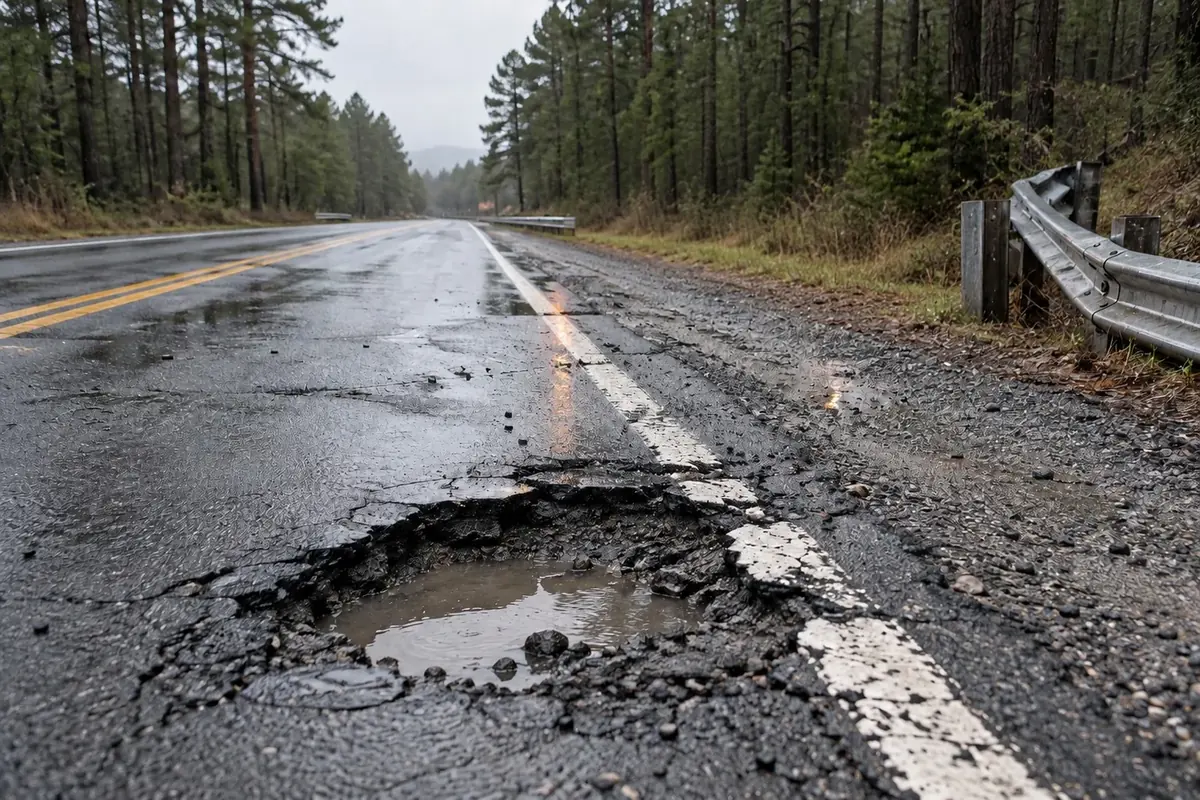
A sudden pothole. A missing guardrail. A stretch of highway with faded lane markings and no warning signs. Road conditions like these can turn an ordinary drive into a serious accident, and when they do, the question of who's responsible becomes far more complicated than a typical two-car collision.
If you were hurt in a crash and you believe poor road conditions played a role, you may be wondering whether the driver, a government agency, a construction company, or some combination of all three bears responsibility. The answer depends on North Carolina laws that are notoriously unforgiving to injury victims who don't understand them, which is exactly why working with a car accident attorney early in the process matters so much.
How Do Road Conditions Contribute To North Carolina Car Accidents?
Roads that are poorly maintained, poorly designed, or poorly marked can create dangerous conditions that even a careful driver cannot avoid. Some of the most common hazards include:
- Potholes or deteriorated pavement
- Standing water or poor drainage
- Missing, faded, or confusing signage
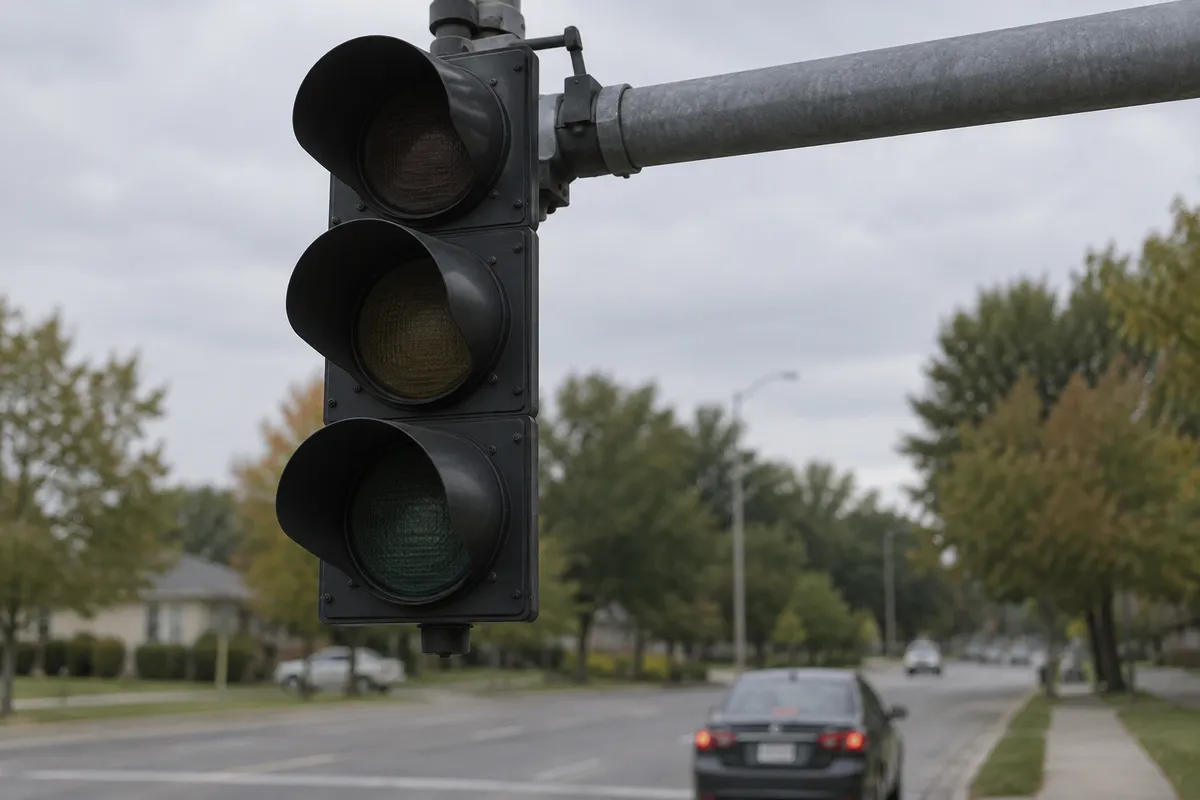
- Malfunctioning traffic signals
- Inadequate lighting
- Debris left behind after construction work
- Uneven shoulders or missing guardrails
When any of these conditions contribute to a crash, the road itself becomes part of the story, and that story can involve parties well beyond the other driver.
Who Can Be Held Responsible For Dangerous Road Conditions?
Determining fault after a road-related accident often means looking at more than one potential party. Depending on the circumstances, liability may fall on:
The Other Driver
Even when road conditions play a role, the other driver's actions still matter. Speeding through a known pothole area or failing to slow down in poor visibility can still constitute negligence on their part.
A Government Entity
Roads are typically maintained by the North Carolina Department of Transportation or local municipalities. When these agencies fail to repair known hazards or fail to warn drivers of dangerous conditions, they may share responsibility. However, claims against government entities involve unique legal hurdles, including shorter notice deadlines and governmental immunity protections that don't apply in standard personal injury cases.
A Construction Or Maintenance Company
If a private contractor was responsible for road work at the time of the accident, and their work left the road in a hazardous state, that company could be liable as well.
This layered structure of potential responsibility is one of the biggest reasons road-condition cases are so difficult to navigate without professional guidance. Identifying every liable party, and proving each one failed to meet their legal duty, requires resources and legal knowledge that most accident victims simply don't have access to on their own.
Does North Carolina's Contributory Negligence Rule Make These Cases Harder?
Yes, and this is one of the most important things to understand if you're considering a claim. North Carolina follows a strict legal doctrine known as contributory negligence. Under this rule, if you are found to also be at fault for your own accident,, you could be completely barred from recovering any compensation.
Insurance companies understand this rule extremely well, and they use it aggressively. In a road-condition case, an insurer may try to argue that you should have seen the hazard, slowed down, or reacted differently, shifting blame onto you rather than the entity that failed to maintain a safe roadway. Successfully countering these arguments requires a strong understanding of how contributory negligence has been applied in North Carolina courts, along with the evidence to back up your version of events.
What Should You Do If Bad Road Conditions Caused Your Accident?
If you believe a hazardous road contributed to your crash, timing matters more than most people realize. Evidence of the hazard itself, the pothole, the missing sign, the broken signal, can be repaired or removed within days, and once it's gone, proving what actually caused your accident becomes far harder. Claims involving government entities add another layer of difficulty, often carrying strict notice requirements that can bar your claim entirely if missed, sometimes in a matter of weeks rather than years. Because so much can go wrong so quickly in these cases, involving an attorney early gives you the best chance of preserving what you need before it disappears.
Because these cases often involve multiple potentially liable parties, layered insurance policies, and government immunity issues, they tend to be more complex than standard personal injury claims. Attempting to handle this kind of case without professional legal guidance can mean missing deadlines, overlooking a liable party, or losing your right to compensation over a single misstep.
Why Should You Work With Paynter Law After A Road-Condition Accident?
At Paynter Law, we've spent years helping North Carolina accident victims hold the right parties accountable, even when the case involves government agencies, contractors, and insurance companies all pointing fingers at each other. Our legal team has helped secure over $500 million in verdicts and settlements for clients throughout the state, and we know how to investigate a hazardous road, gather the evidence needed to prove liability, and push back against contributory negligence arguments before they derail your claim.
You don't have to untangle these legal complexities alone, and you shouldn't have to. We offer free initial consultations, and we work on a contingency fee basis, meaning you pay nothing unless we win your case. If bad road conditions contributed to your accident, contact our firm today to talk through what happened and find out what your next steps should be.