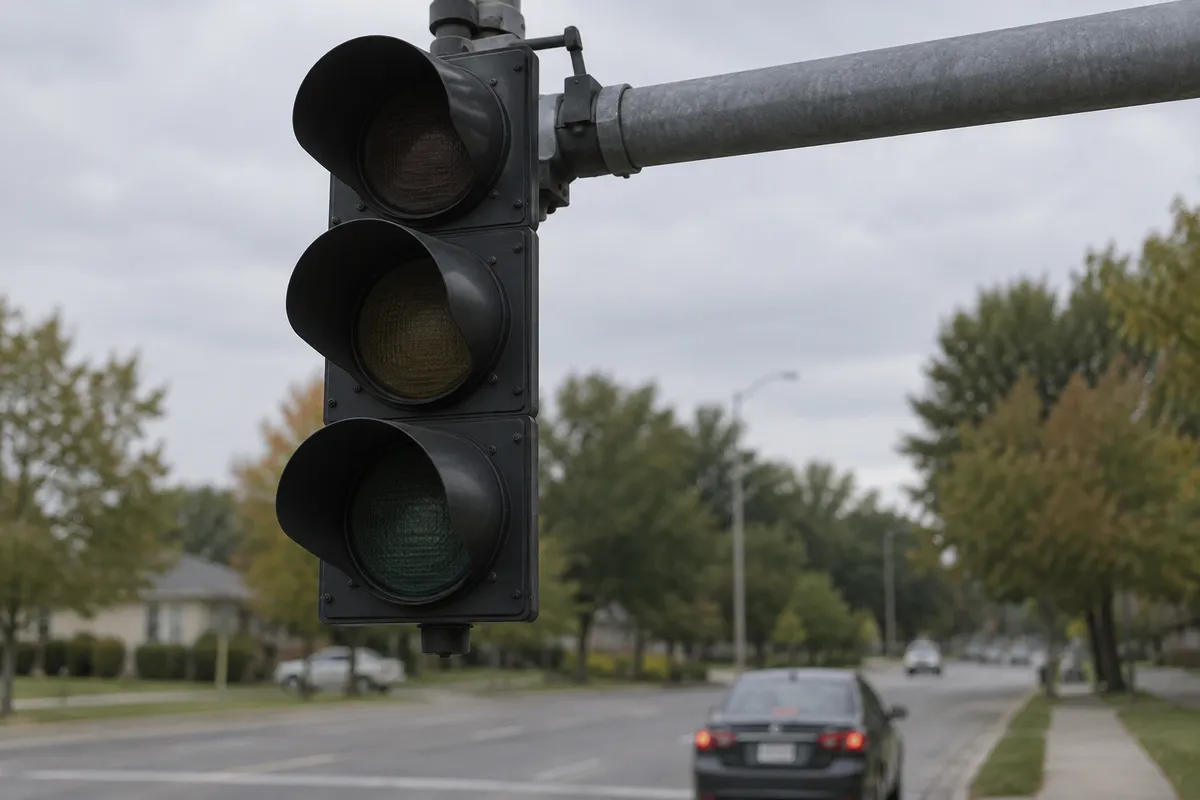
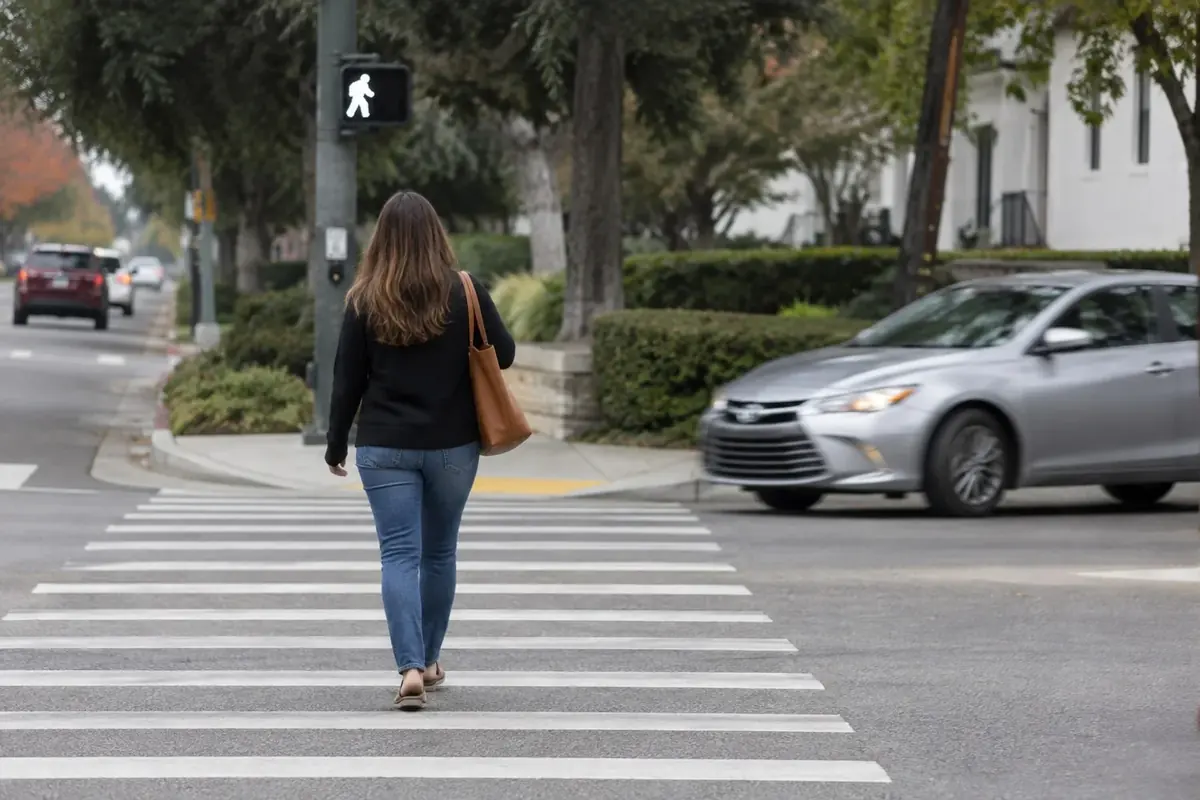
You step off the curb inside a marked crosswalk, the light is in your favor, and you have every reason to believe the driver approaching sees you. Then, in an instant, that assumption is shattered. A car turns without looking, or rolls through the crosswalk while you're still in it, and you're left on the pavement wondering what just happened.
Failure to yield to a pedestrian is one of the most common causes of serious pedestrian injuries in North Carolina, and it's also one of the most legally complicated. What feels like a straightforward case of driver negligence can quickly become a dispute over fault and timing. Understanding the basics can help you protect yourself, but the details of your case deserve the attention of an experienced pedestrian accident attorney.
What Does North Carolina Law Require Of Drivers At Crosswalks?
North Carolina law generally requires drivers to yield the right of way to pedestrians who are lawfully within a marked crosswalk or an unmarked crosswalk at an intersection. That second category surprises a lot of people. Even where there are no painted lines on the pavement, the law recognizes a crosswalk within the area where a sidewalk would extend across the intersection, meaning pedestrians can be legally protected in places most drivers wouldn't think to call a "crosswalk" at all.
Under North Carolina's pattern jury instructions, a driver who fails to yield to a pedestrian in one of these crosswalks is considered negligent as a matter of law. That sounds like it should make these cases straightforward, but in practice it rarely is. Did the pedestrian have the right of way at that exact moment? Did the area even qualify as a crosswalk under the law? Every one of these questions can affect how liability is assigned, and insurance companies will look for any detail that shifts blame away from their driver, which is exactly why so many pedestrians turn to a personal injury attorney rather than trying to sort this out alone.
Who Is Liable When A Driver Fails To Yield To A Pedestrian?
In most failure-to-yield cases, the driver bears responsibility for the resulting injuries. However, liability in North Carolina is rarely as clear-cut as it seems immediately after a crash, which is where things can go wrong for injury victims who try to handle a claim on their own.
Do Pedestrians Have Any Responsibility For Their Own Safety?
Even when a pedestrian has the right of way, North Carolina law still expects them to keep a reasonable lookout for their own safety. Under the state's pattern jury instructions, a pedestrian is generally allowed to assume a driver will yield as required, right up until the circumstances would put a reasonably careful person on notice that the driver might not.
This line, between what a pedestrian is entitled to assume and when that assumption stops being reasonable, is one of the more nuanced questions in a crosswalk case, and it's often exactly where insurance companies try to gain ground.
Why Does Contributory Negligence Make These Cases So Difficult?
North Carolina follows a legal rule known as contributory negligence, which is far stricter than the rules in most other states. Under this doctrine, if a pedestrian is found to bear even a small percentage of fault for the accident, they may be barred from recovering any compensation at all, regardless of how careless the driver was.
This is precisely why insurance adjusters investigate crosswalk accidents so aggressively. They may argue that you were distracted or that you entered the roadway before it was safe to do so. Even if these claims are exaggerated or untrue, they can be used to deny your claim entirely under North Carolina's contributory negligence rule. Successfully countering these tactics requires a detailed understanding of how the law applies to the specific facts of your accident, which is precisely the kind of pushback our team at Paynter Law is prepared to give on your behalf.
What Kind Of Evidence Matters In A Crosswalk Accident Claim?
Because so much can hinge on the exact circumstances of the moment of impact, evidence plays an outsized role in these cases. Traffic signal timing, witness accounts, and physical evidence at the scene can all speak to who had the right of way, and gathering it isn't something most people are equipped to do while also recovering from an injury, especially against insurance companies with entire teams dedicated to building a case in their favor.
What Injuries Commonly Result From Crosswalk Accidents?
Pedestrians have virtually no protection when struck by a vehicle, so crosswalk accidents often result in injuries far more severe than those seen in typical car-on-car collisions, including broken bones, spinal cord injuries, traumatic brain injuries, and internal injuries, even at relatively low speeds.
These injuries frequently mean extensive medical treatment, time away from work, and long-term rehabilitation, with a financial toll that extends well beyond the initial hospital bill. Understanding the full scope of what you may be entitled to is not something you should have to figure out alone. It's exactly the kind of assessment our team at Paynter Law works through with clients from day one.
How Long Do You Have To File A Crosswalk Accident Claim In North Carolina?
North Carolina generally allows three years from the date of the accident to file a personal injury claim. If a crosswalk accident tragically results in a death, the family's window to pursue a wrongful death claim is shorter, at two years.
While these deadlines might sound generous, building a strong claim takes time, and evidence can disappear or witnesses' memories can fade the longer a claim sits unresolved. Waiting to act, even with time still on the clock, can quietly work against your best interests. The sooner our team at Paynter Law can begin investigating your accident, the stronger your position will be.
Why Should You Work With Paynter Law After A Crosswalk Accident?
A failure-to-yield crosswalk accident can turn your life upside down in seconds, and untangling what happened, who is responsible, and what you're owed is not something you should have to face on your own. North Carolina's contributory negligence rule makes these cases especially unforgiving for pedestrians who don't have strong legal representation from the very beginning.
At Paynter Law, we have helped thousands of people across North Carolina pursue the compensation they deserve after serious injuries, backed by a track record of over $500 million in verdicts and settlements. You won't be handed off to a single overworked attorney. Instead, you'll have an entire legal team standing behind your case, working to protect you from the tactics insurance companies use to minimize what they pay.
We offer free initial consultations, and we work on a contingency fee basis, so you owe nothing in costs or attorney fees unless we win your case. If a driver failed to yield to you in a crosswalk, don't leave your recovery to chance. Contact our firm today to schedule your free consultation.