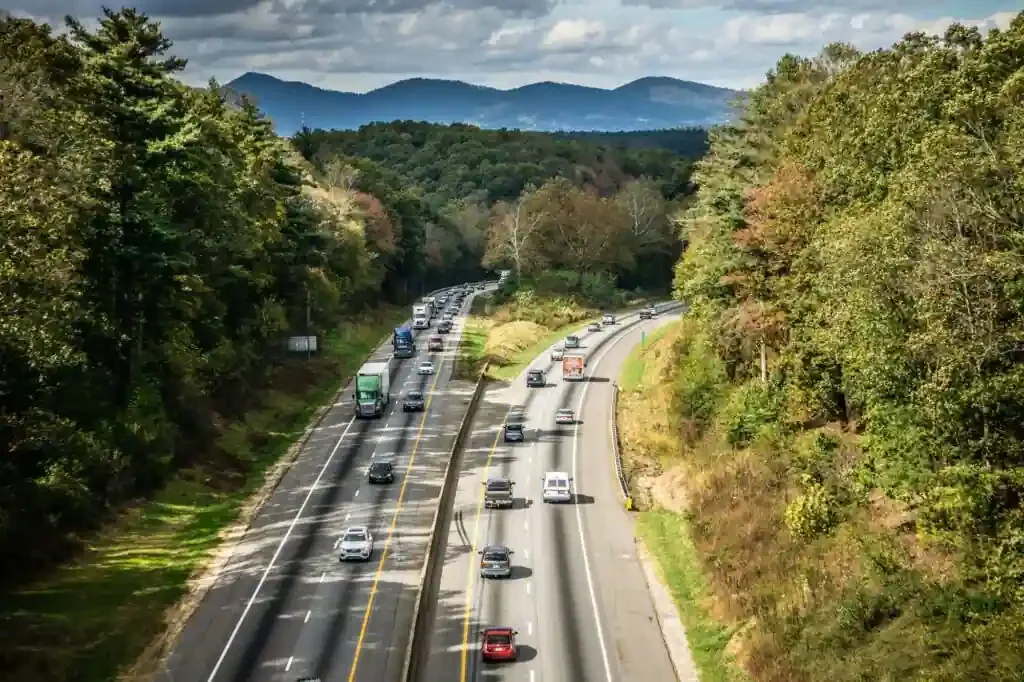

North Carolina recorded 1,732 traffic fatalities in 2024, but those deaths were not spread evenly across the state's 100 counties. Some counties saw dramatic increases.
North Carolina recorded 1,732 traffic fatalities in 2024, but those deaths were not spread evenly across the state's 100 counties. Some counties saw dramatic increases over the past decade. Others have maintained elevated fatality counts year after year, well above what their population size alone would predict. And a few smaller counties post fatality rates per resident that rival the state's largest urban areas.
The North Carolina DMV's 2024 Traffic Crash Facts report includes a 10-year county-by-county fatality breakdown, and it is one of the most useful data sets available for understanding where crash danger is concentrated across North Carolina, and how that picture has shifted over time.
If you or a family member has been seriously injured in a crash anywhere in North Carolina, the geography of where the crash happened does not change your legal rights, but it does shape the road ahead. Speaking with an experienced auto accident attorney is the first step toward understanding your options.
Which North Carolina Counties Have the Highest Traffic Fatalities?
The counties with the highest raw fatality counts in 2024 were largely the state's most populous, but several showed increases that went well beyond what growth alone can explain.
Mecklenburg County led the state with 147 traffic deaths in 2024, up from 139 in 2023. That figure is also significantly above the county's 10-year average of 109, and represents a steep climb from the 69 fatalities recorded there in 2014. The increase over a single decade reflects not just population growth but a worsening trend in crash severity.
Wake County recorded 94 fatalities in 2024, up sharply from 82 in 2023 and far above its 10-year average of 66. In 2014, Wake County saw 56 traffic deaths. The county's fatalities have nearly doubled in 10 years, a trend that tracks with rapid development and increased traffic volume across the region.
Guilford County saw 78 deaths in 2024, up from 57 in 2023 and above its 10-year average of 66. Guilford's numbers have been volatile over the decade, with a notable spike to 97 in 2021, a brief decline, and now a renewed climb.
Forsyth County recorded 43 fatalities in 2024, consistent with its 10-year average of 42 and part of a sustained pattern of elevated deaths relative to the county's size.
Cumberland County has posted some of the most consistently high fatality totals in the state over the past decade. In 2024, it recorded 58 deaths, down slightly from 62 in 2023 but far above its 2014 total of 38. The county's 10-year average of 51 reflects a long-term pattern that shows no meaningful improvement.
Johnston County recorded 42 fatalities in 2024, up from 35 in 2023 and above its 10-year average of 36. Like Wake County, Johnston has seen a significant upward trend over the decade.
Buncombe County reached 47 deaths in 2024, its highest total in the 10-year data set and a sharp rise from 31 in 2014.
Gaston County jumped to 41 fatalities in 2024, up from 31 in 2023 and well above its 10-year average of 28.
Durham County recorded 34 deaths in 2024, in line with its 10-year average of 31 and consistent with a pattern of elevated fatalities that has persisted throughout the decade.
Robeson County recorded 42 fatalities in 2024, continuing a long-running pattern of elevated crash deaths that has placed it among the highest-fatality counties in the state relative to its population size.
What Should You Do After a Car Accident in North Carolina?
If you’ve been involved in a crash, your next steps can directly impact your ability to recover compensation. Even in counties with high crash rates, insurance companies will still try to minimize your claim.
Here’s what to do:
- Seek medical attention immediately
- Document the scene and gather evidence
- Avoid speaking to insurance adjusters without legal guidance
- Contact an experienced car accident lawyer in North Carolina
The sooner you act, the stronger your case can be.
Which Counties Have Seen the Sharpest Increases Over the Decade?
Beyond raw totals, the 10-year trend data reveals which counties have seen the most significant deterioration in road safety over time. Several stand out.
Wake County's near-doubling of fatalities over 10 years (56 in 2014 to 94 in 2024) is one of the starkest examples of how growth and traffic volume translate into increased crash deaths, even as safety technology has improved.
Mecklenburg County climbed from 69 deaths in 2014 to 147 in 2024, more than double its starting point. The county has exceeded its own 10-year average in three of the past four years.
Alamance County recorded just 9 fatalities in 2014 but reached 26 in 2024, well above its 10-year average of 20. The county has shown a steady upward trend through the latter half of the decade.
Orange County jumped from 4 fatalities in 2014 to 24 in 2024, a sixfold increase over the decade. Its 10-year average of 6 makes 2024's figure particularly notable.
Caldwell County rose from 10 deaths in 2014 to 24 in 2024, more than double its 10-year average of 11.
Onslow County recorded 25 fatalities in 2024, up from just 3 in 2014, though its numbers have fluctuated considerably over the decade.
New Hanover County saw 29 deaths in 2024, up from 10 in 2014 and above its 10-year average of 21.
Why Are Traffic Deaths Increasing in Some North Carolina Counties?
Some of North Carolina's smaller counties post fatality numbers that, when adjusted for population, reflect rates of road danger that exceed many larger urban areas.
Anson County recorded 13 fatalities in 2024, more than double its 10-year average of 6. For a county with a relatively small population, that figure represents a high fatality rate per resident.
Bladen County has consistently recorded elevated fatality totals relative to its size, with an average of 11 deaths per year over the past decade.
Columbus County recorded 22 fatalities in 2024, consistent with its 10-year average of 21, maintaining a persistently high level of crash deaths for a rural county.
Harnett County saw 36 deaths in 2024, above its 10-year average of 29, and part of a longer-term trend of elevated fatalities.
These rural county numbers often reflect the dangers of higher-speed roads with less infrastructure, longer emergency response times, and limited access to trauma care after a serious crash. All of those factors affect both the severity of crash injuries and the timeline for pursuing legal action.
What Does County-Level Crash Data Mean for Injury Victims?
Whether a crash happens in a high-fatality urban county or a rural area where crashes are less frequent but often more severe, the legal process that follows is governed by the same North Carolina rules and the same deadlines.
North Carolina's legal standards for injury claims are strict in ways that catch many people off guard. The state's contributory negligence rule, its deadlines for filing claims, and the way insurance companies evaluate and respond to cases all create significant complexity that is difficult to navigate without legal guidance. What seems straightforward in the days after a crash rarely stays that way.
For most personal injury claims, the filing deadline in North Carolina is three years from the date of the crash. For wrongful death cases, that window shortens to two years. Both deadlines are firm, and missing either one typically ends any chance of recovery.
The county where a crash happens may also affect which courts are involved, how quickly cases move through the system, and what local resources are available during recovery. An attorney who knows North Carolina's legal landscape can help navigate all of those variables from the start.
How Can Paynter Law Help After a Crash in North Carolina?
At Paynter Law, we have helped thousands of people across North Carolina, in counties large and small, navigate the legal process after serious traffic crashes. Our team has achieved $500 million in verdicts and settlements, and we handle auto accident, truck accident, and motorcycle accident claims throughout the state.
We work on a contingency fee basis, meaning no attorney fees or costs unless we win your case. We also offer free initial consultations so you can get straightforward answers about your situation without any upfront commitment.
Talk to a North Carolina Car Accident Lawyer Today
If you or a loved one has been injured in a crash anywhere in North Carolina, don’t wait.
At Paynter Law, we help accident victims maximize compensation and navigate complex legal challenges across the state.
- No fees unless we win
- Free consultation
- Proven results: $500M+ recovered
👉 Contact us today to protect your rights and your recovery.