Durham's roads carry a heavy load. In 2024, the most recent full year on record, the city recorded nearly 9,000 car accidents, an average of about 22 crashes every.
Durham's roads carry a heavy load. In 2024, the most recent full year on record, the city recorded nearly 9,000 car accidents, an average of about 22 crashes every single day. That same year, 27 people lost their lives on Durham roads, and hundreds more were seriously injured. Behind those numbers are real people, real families, and legal situations that are far more complicated than most people expect when they first find themselves dealing with the aftermath of a crash.
Knowing which intersections see the most crashes is useful context. But location alone tells you very little about who is legally responsible or what your path to compensation looks like. Those questions require a Durham car accident attorney who understands the full picture.
Which Durham County Intersections Have the Most Crashes?
Through a public records request, WRAL Investigates obtained crash data directly from the North Carolina Department of Transportation covering the first seven months of 2025, the most recent Durham-specific intersection data publicly available. The data, which counts crashes occurring within 150 feet of each intersection on state-maintained roads, identified these as Durham County's most crash-prone locations:
- Interstate 40 at NC Highway 55, with 28 crashes, the most dangerous intersection in Durham County
- I-85 at Avondale Drive, with 25 crashes
- I-85 at Roxboro Street, with 23 crashes, a location WRAL has reported safety concerns about for years
- NC 54 at NC 55, with 23 crashes
- I-85 at Guess Road, with 21 crashes
- I-40 at Page Road, with 19 crashes
- I-40 at Fayetteville Road, with 19 crashes
- I-885 at Holloway Street, with 17 crashes
- NC 54 at Fayetteville Road, with 17 crashes
- I-85 at Hillandale Road, NC 147 at Alston Avenue, and I-40 at NC 45, each with 16 crashes
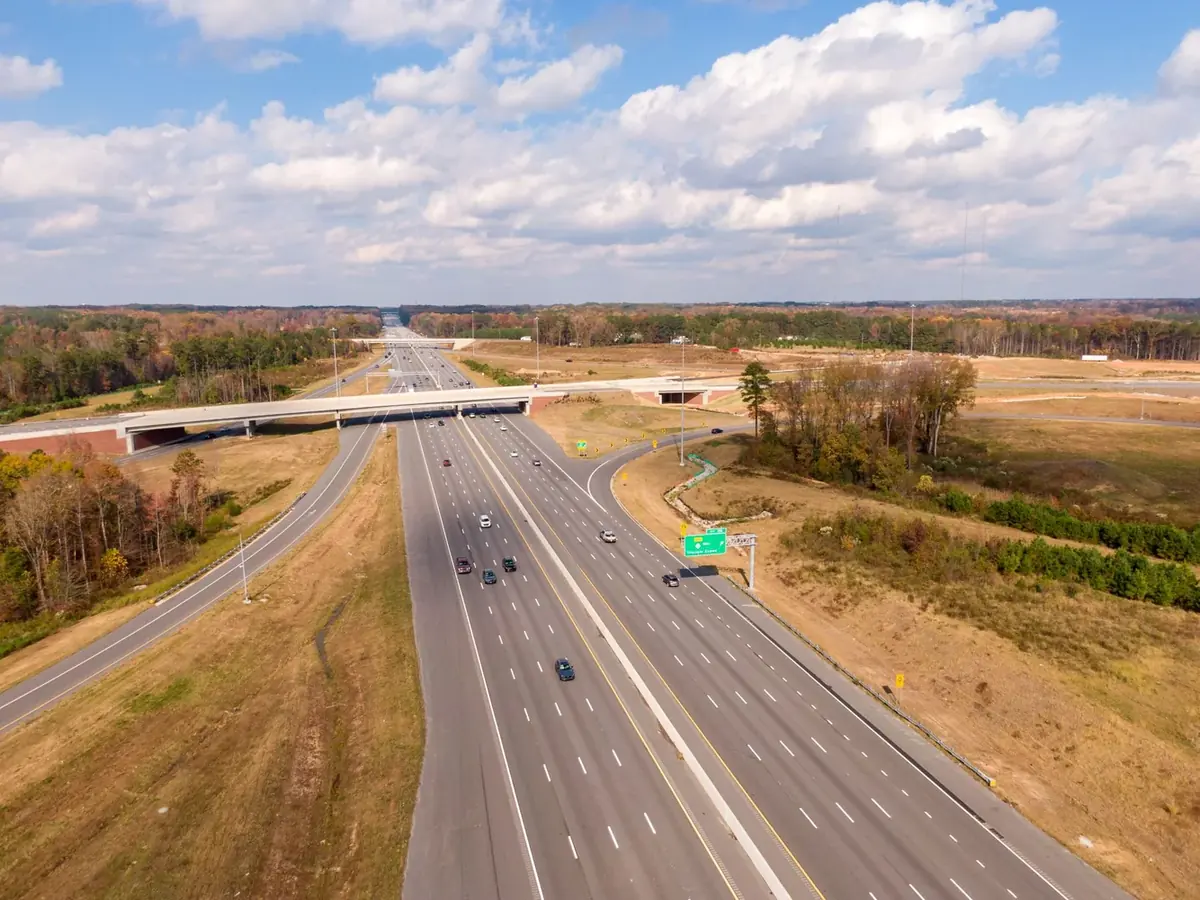
Notice a pattern. The majority of Durham's most dangerous intersections involve interstate exchanges, places where high-speed highway traffic meets local roads and drivers are constantly merging, exiting, and making split-second decisions. That context matters legally, because determining fault at a high-speed interchange involves a different and often more complex analysis than a standard city intersection crash.
Why Does It Matter Where Your Crash Happened?
The location of a crash can raise legal questions that aren't visible from the road. A history of crashes at a specific interchange may point to highway design defects, inadequate merge lanes, poor signage, or a government agency's failure to address a documented hazard. Any of those factors could become relevant to your case, but identifying them, documenting them, and connecting them to your specific situation requires investigative and legal work that most people are not equipped to do on their own.
Durham County has made safety improvements at some of these locations over the years, with the city's Accident Reduction Program reporting a 52% reduction in targeted crashes at treated intersections. But improvements are not evenly distributed, and many of the county's most dangerous locations remain a work in progress. If your crash happened at one of them, the history of that location could be a meaningful part of your case.
What Makes North Carolina Crash Claims So Difficult to Navigate?
Even when you know where a crash happened and have a clear sense of who was at fault, pursuing a claim in North Carolina is more complicated than most people realize. The state follows a contributory negligence rule, which is one of the strictest fault standards in the country. Under this doctrine, if you are found even slightly responsible for a crash, you may be barred from recovering any compensation at all, regardless of how seriously you were injured.
Insurance companies know this rule and use it. A comment at the scene, a detail in the police report, or a routine question from an adjuster can all be used to assign you a share of fault and cut off your claim entirely. Understanding how this rule applies to your specific situation is not something you want to figure out after the fact. A personal injury attorney can assess your situation early and help protect your right to recover.
Why Is the Legal Process More Complex Than It Appears?
Many crash victims underestimate what it takes to fully pursue a claim. The process involves layers of medical, financial, and legal analysis that are difficult to navigate without experience, and insurance companies have seasoned adjusters and legal teams working to minimize what they pay from the moment a claim is filed. Going up against that process without your own advocate puts you at a significant disadvantage.
The clock adds another layer of pressure. In North Carolina, most personal injury claims carry a three-year statute of limitations, but critical evidence, including surveillance footage, witness recollections, and physical road conditions, can disappear long before that deadline arrives. The decisions made in the early days after a crash can shape everything that follows.
How Can Paynter Law Help After a Durham Car Accident?
At Paynter Law, we understand how disorienting life becomes after a serious crash. Between physical recovery, medical appointments, and the pressure of insurance calls, the legal side of the situation can feel overwhelming. Our team brings more than 75 years of combined experience and a record of $500 million in verdicts and settlements to every case we handle. You work with an entire legal team, not just one attorney, and because we work on a contingency fee basis, there are no costs or attorney fees unless we win.
If you were hurt in a Durham crash or anywhere else in North Carolina, contact our team for a free consultation. Let us help you understand what your case is worth before the insurance company shapes the narrative.